
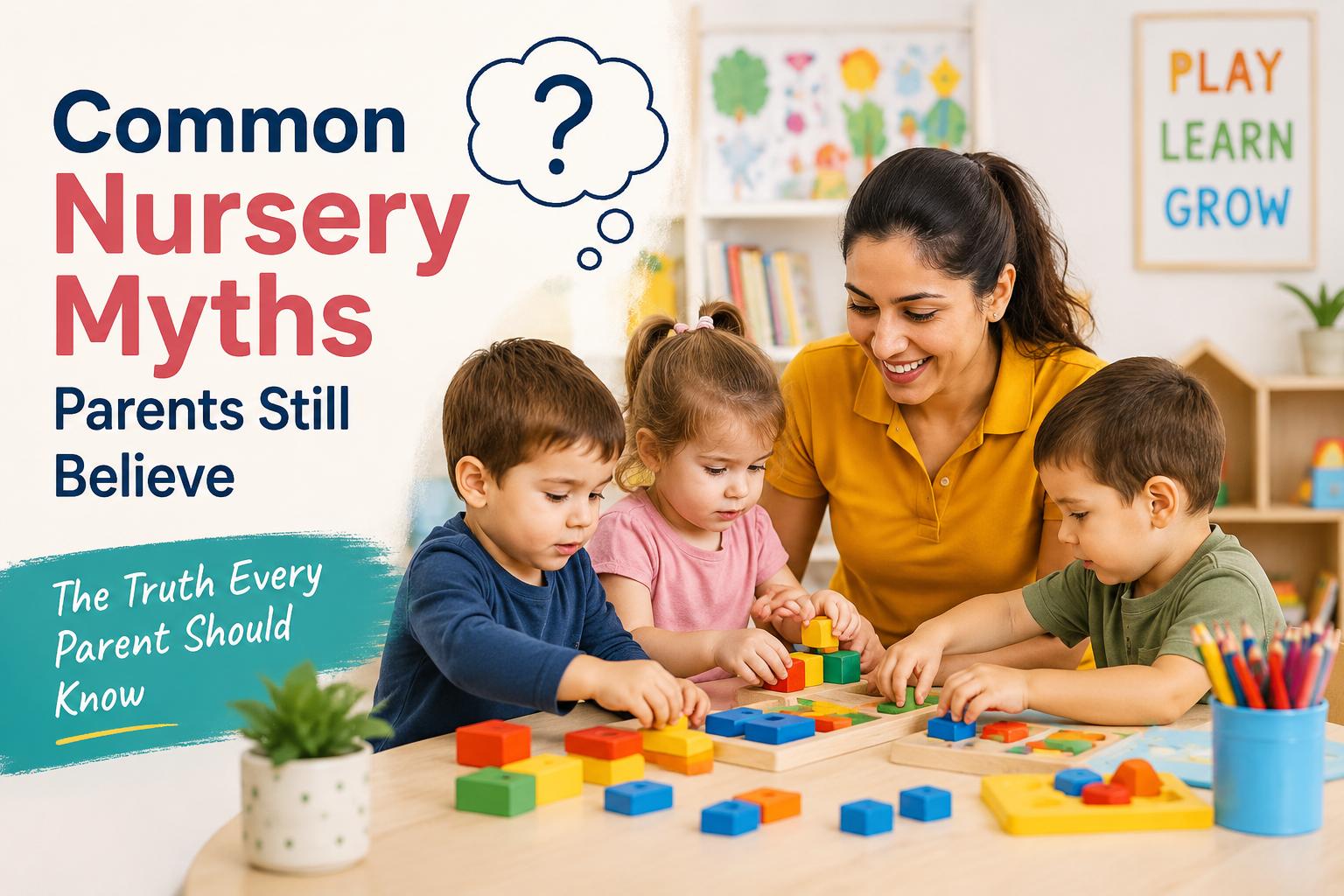
Every parent wants the best start for their child. When it comes to early education, there is a lot of advice available. Some of it comes from family, some from friends, and some from social media. While many people mean well, not everything you hear is true. Old beliefs about nurseries still influence many parents today, even though early years education has changed a lot over time.
If you are looking for a Nursery in Pinner, it helps to understand what a modern nursery really offers. It is a place where children feel safe, enjoy new experiences, make friends, and learn important life skills through play. Knowing the facts instead of believing common myths can help parents feel more confident about their decision.
Myth 1. Nursery Is Only for Working Parents
Many people think nurseries are only for families where both parents work. This is one of the biggest myths.
Children benefit from spending time with other children, joining group activities, and learning new skills, whether their parents work or stay at home. Even attending for a few sessions each week can support a child’s development.
Myth 2. Young Children Learn Better at Home
Home is the first place where children learn, but it is not the only place.
A nursery gives children new experiences every day. Story time, music, painting, outdoor play, and simple games all help children build confidence, communication skills, and curiosity.
Learning at this age happens naturally through fun activities.
Myth 3. Nursery Is Just Childcare
Many people believe nurseries simply look after children until parents return.
In reality, every activity has a purpose. Children learn while playing, talking, creating, and exploring.
A quality nursery supports:
- Communication skills
- Social development
- Creativity
- Physical development
- Confidence
- Early problem solving
Children enjoy themselves while learning important skills for everyday life.
Myth 4. Children Cry Every Day at Nursery
Parents often worry that their child will never settle in.
It is normal for some children to need time to adjust. Friendly and experienced staff help children feel comfortable by creating a warm and welcoming environment.
Most children soon begin to enjoy their new routine and look forward to seeing their friends.
Myth 5. Nursery Makes Children Sick
Children may catch a few common colds when they first meet other children. This is a normal part of growing up.
Good nurseries follow high hygiene standards and encourage regular hand washing to help reduce the spread of illness.
Over time, children naturally build stronger immunity.
Myth 6. Playing Is Not Learning
Some adults think learning only happens when children sit with books.
The truth is very different.
Through play, children learn how to:
- Share with others
- Solve simple problems
- Build confidence
- Improve communication
- Develop creativity
- Strengthen physical skills
Play is one of the most important parts of early childhood learning.
Myth 7. Every Child Should Learn at the Same Speed
No two children develop in exactly the same way.
Some enjoy talking, while others love building, drawing, or exploring. A good nursery understands these differences and supports every child according to their own abilities.
Myth 8. Reading and Writing Should Start Straight Away
Many parents believe children should begin formal learning as early as possible.
Before reading and writing, children need to develop listening, speaking, concentration, and fine motor skills. These everyday abilities create a strong foundation for future learning.
Myth 9. Every Nursery Is the Same
Each nursery has its own environment, daily routine, and approach to learning.
Before making your decision, it is worth looking at:
- Friendly and qualified staff
- Safe learning spaces
- Indoor and outdoor activities
- Good communication with parents
- A happy atmosphere
Visiting in person can give you a much clearer picture than reading reviews alone.
Myth 10. Social Skills Can Wait Until School
Children begin learning social skills long before they start school.
At nursery, they learn how to share, listen, work together, and respect others. These simple lessons help children feel more confident in new situations and support them throughout their education.
What Parents Should Remember
Instead of believing everything you hear, take time to learn about the nursery itself.
You can:
- Visit the nursery.
- Meet the staff.
- Ask questions about daily activities.
- Watch how children interact.
- See if the environment feels calm, safe, and welcoming.
Every child is different, so finding the right environment is more important than following common opinions.
Many nursery myths have been passed down for years, but they do not reflect how modern nurseries support young children today. A caring nursery helps children become more independent, build friendships, develop confidence, and enjoy learning from an early age.
