

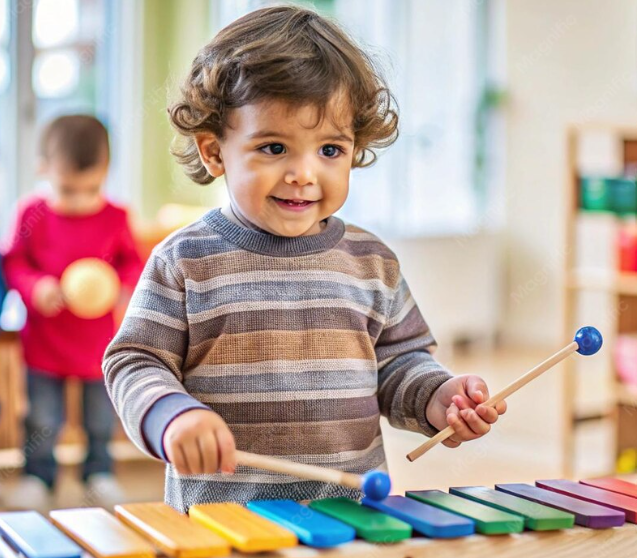
Every parent wants their child to grow up feeling safe, happy, and confident. While toys, activities, and learning opportunities are important, the greatest gift we can give young children is a strong sense of love and security. When children feel emotionally supported, they are more willing to explore, build friendships, and develop important life skills.
If you are looking for a Nursery in Pinner, it is worth choosing a setting that understands how emotional wellbeing supports every stage of early learning. A caring nursery creates an environment where children feel valued, respected, and confident enough to learn through play and meaningful experiences.
Why Feeling Safe Matters
Children learn best when they feel secure. A child who feels loved is more likely to develop confidence, curiosity, and resilience. They are also better able to manage emotions, solve problems, and build positive relationships with others.
Feeling safe does not come from grand gestures. It grows through small, consistent actions that show children they are cared for every day.
Warm and Caring Relationships
The relationship between adults and children is the foundation of emotional security. Whether it is a parent, teacher, or caregiver, children need trusted adults who listen, encourage, and respond with kindness.
Simple ways to build strong relationships include:
• Greeting children with a smile
• Listening carefully when they speak
• Responding calmly during difficult moments
• Offering encouragement instead of criticism
• Spending quality time together every day
When children know they are heard and understood, they develop a stronger sense of belonging.
Consistent Daily Routines
Young children feel comfortable when they know what to expect. Predictable routines reduce anxiety and help children feel in control of their day.
A consistent routine may include:
• Regular meal times
• Story time before rest
• Outdoor play each day
• Quiet activities after busy play
• A familiar bedtime routine at home
Children quickly learn what comes next, making transitions smoother and helping them feel more relaxed.
Encouraging Independence
Children love doing things for themselves. Even simple tasks help build confidence and show them that adults believe in their abilities.
You can encourage independence by allowing children to:
• Put on their own shoes
• Choose between two activities
• Help tidy up toys
• Carry their own bag
• Wash their hands without assistance
Supporting independence does not mean expecting perfection. It means giving children the opportunity to learn through practice.
Positive Communication
The words adults use have a lasting impact on young children. Positive communication helps children feel respected and valued.
Instead of focusing only on mistakes, recognise their efforts and achievements.
Helpful examples include:
• Thank you for helping today
• I am proud of how hard you tried
• You showed kindness to your friend
• I can see you worked really carefully
Simple encouragement helps children build confidence while strengthening their emotional wellbeing.
Making Time for Play
Play is one of the most important parts of childhood. Through play, children express emotions, solve problems, and develop friendships.
Some valuable play experiences include:
• Building with blocks
• Role play and imaginative games
• Painting and drawing
• Outdoor exploration
• Music and movement activities
When adults join children in play, they also strengthen emotional connections and create happy memories.
Helping Children Understand Their Feelings
Young children experience many emotions but may not always know how to express them. Adults can help by teaching children that every feeling is acceptable while guiding them towards positive ways to respond.
Simple ways to support emotional development include:
• Naming emotions together
• Reading books about feelings
• Talking about emotions during everyday situations
• Encouraging children to explain how they feel
• Remaining calm when children become upset
These conversations help children develop emotional awareness and confidence.
Celebrating Small Achievements
Children do not need rewards for every success. Often, simple recognition is enough to help them feel proud.
Celebrate moments such as:
• Completing a puzzle
• Sharing with a friend
• Trying a new activity
• Speaking politely
• Showing patience
Recognising effort encourages children to keep learning without feeling pressured.
Creating a Calm Learning Environment
A peaceful environment helps children feel comfortable and secure. Calm surroundings allow them to concentrate, explore, and enjoy learning.
A welcoming environment often includes:
• Organised learning spaces
• Comfortable reading areas
• Natural light
• Age appropriate resources
• Friendly and supportive adults
When children feel relaxed, they are more likely to participate confidently in daily activities.
Building Strong Partnerships with Parents
Children benefit when parents and educators work together. Regular communication helps everyone understand a child’s interests, achievements, and any areas where extra support may be needed.
A strong partnership may include:
• Daily conversations at collection time
• Sharing learning updates
• Discussing developmental milestones
• Celebrating achievements together
• Working together to support children’s needs
When children see the important adults in their lives working as a team, they feel even more secure.
Every Child Deserves to Feel Valued
Every child is unique, with their own personality, interests, and way of learning. Taking time to understand each child helps them develop confidence and trust.
Children who feel accepted are more likely to:
• Try new experiences
• Build positive friendships
• Express their ideas
• Develop resilience
• Enjoy learning
These qualities support not only their early years but also their future education and personal growth.
Choosing the Right Early Years Environment
A nursery should be more than a place where children spend the day. It should be somewhere they feel welcomed, respected, and genuinely cared for. When children experience kindness, consistency, and encouragement, they develop the confidence to explore the world around them.
