


Toddlers are naturally curious, energetic, and eager to learn about the world around them. As parents, it can be both exciting and challenging to guide that curiosity in meaningful ways. The Montessori approach offers gentle, practical strategies that help toddlers grow into confident, capable, and independent little learners.
At its heart, Montessori parenting is about respecting your child as an individual — giving them freedom within boundaries, opportunities to explore, and the confidence to try things on their own. You don’t need a full Montessori classroom at home to benefit from this philosophy. With a few simple adjustments, you can bring Montessori principles into your daily routine.
1. Encourage Independence from an Early Age
One of the most powerful Montessori principles is independence. Even toddlers can take small steps toward doing things by themselves — and they love it!
Let your child help with simple tasks such as:
-
Putting away toys
-
Pouring water into a cup
-
Choosing clothes to wear
-
Feeding themselves during mealtime
These small acts build confidence, coordination, and responsibility. As parents, the key is patience allow your toddler to try, make mistakes, and learn at their own pace.
2. Create a Child-Friendly Environment at Home
Montessori parenting starts with how you prepare your home. The environment should be calm, simple, and designed to allow your toddler to explore safely.
Here are a few easy ideas:
-
Keep toys and books on low shelves within your child’s reach.
-
Choose simple, open-ended toys made from natural materials.
-
Use child-sized furniture to promote independence and comfort.
-
Keep daily items (like cups or snacks) where your child can access them safely.
This setup helps your toddler learn that the home is their space too where they can move freely and make choices confidently.
3. Follow Your Child’s Interests
The Montessori philosophy emphasizes child-led learning — observing what captures your toddler’s attention and expanding on it.
If your child loves water play, try simple pouring activities. If they enjoy matching colors, introduce sorting games. Follow their curiosity, and you’ll see deeper concentration and engagement.
Remember: toddlers learn best through play and exploration, not through pressure or strict schedules.
4. Teach Through Everyday Life
You don’t need fancy materials to apply Montessori principles. Everyday life offers endless learning opportunities!
Involve your toddler in small household activities such as:
-
Watering plants
-
Wiping the table after meals
-
Helping prepare snacks
-
Sweeping with a small broom
These real-life activities develop coordination, focus, and a sense of contribution. They also build valuable life skills that help toddlers feel capable and proud.
5. Keep Choices Simple and Clear
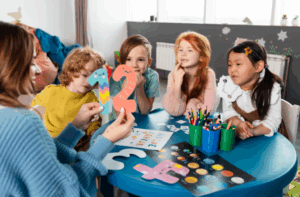
Toddlers feel empowered when they can make choices — but too many options can overwhelm them. Offer two or three clear choices at a time.
For example:
-
“Would you like the red cup or the blue cup?”
-
“Do you want to wear the striped shirt or the plain one?”
This approach gives them control while teaching decision-making and communication skills in a stress-free way.
6. Model Calm and Respectful Communication
Children learn by observing. The way you speak and act around your toddler shapes how they behave. Montessori parenting encourages adults to model calm communication, respect, and patience.
Instead of saying “No, don’t do that,” try gentle redirection like “Let’s try it this way.” Speak slowly and at eye level to help your child feel heard and understood.
7. Embrace Slow and Meaningful Moments
Modern life can be fast-paced, but toddlers learn best when we slow down. Give your child time to explore, finish activities, and repeat them if they want to.
When you follow their natural rhythm, learning becomes joyful instead of rushed. Montessori calls this “respecting the child’s pace” allowing them to lead with curiosity and purpose.
8. How a Montessori Nursery Supports This Approach
A quality nursery in Pinner that follows Montessori principles extends this kind of learning environment beyond your home. Trained educators guide children through hands-on experiences, helping them build independence and confidence in a safe, nurturing space.
The Montessori method ensures every child learns through real experiences — pouring, sorting, caring for plants, and exploring nature all while being supported by calm and encouraging adults. This consistency between home and nursery gives toddlers the best foundation for lifelong learning.

Frequently Asked Questions
1. What is Montessori parenting in simple terms?
Montessori parenting is about respecting your child’s individuality and encouraging independence. Instead of doing everything for them, you give them opportunities to do things on their own — like dressing, cleaning up, or helping around the house. It focuses on patience, observation, and trust.
2. How can I apply Montessori principles at home?
Start small! Offer child-sized tools, let your toddler make simple choices, and involve them in daily routines like cooking or cleaning. Keep their environment simple, safe, and within reach so they can explore freely.
3. What are the benefits of Montessori parenting?
Montessori parenting helps toddlers develop confidence, focus, problem-solving skills, and independence. It also strengthens emotional growth by allowing children to take responsibility and feel capable of contributing to their world.
4. Can Montessori work for all toddlers?
Yes! The Montessori approach adapts to each child’s pace and personality. Whether your toddler is active, quiet, shy, or curious, this method supports individual growth through hands-on learning and gentle guidance.
5. How does a Montessori nursery support parents?
A Montessori nursery provides an extension of your home environment — offering consistency, calm, and structure. Educators observe, guide, and communicate regularly with parents, ensuring your child’s learning journey is supported both at home and at nursery.
Montessori parenting is about creating a world where toddlers can explore, make choices, and feel confident in their abilities. With a little patience and preparation, you can nurture independence and curiosity every day.
And when your child joins a nurturing nursery in Pinner that follows these same principles, the results are remarkable — a happy, capable learner ready to take on new challenges with joy and confidence.
